
Be Consistently Good, Rather Than Occasionally Great
A lesson I keep relearning: Consistency beats greatness. Every single time.

The Case for Being Consistently Good
Watching the MLB All-Star Game this week, I found myself captivated by the mid-game holographic tribute to Hank Aaron from his home field in Atlanta.
Growing up, I was fascinated by him. Not just as the man who passed Babe Ruth’s home run record, but as a quiet symbol of steady excellence.
As a kid collecting baseball cards, I noticed something odd. For all his greatness, Hank Aaron didn’t often lead the league in home runs.
In 23 seasons, he led the MLB in homers only four times. Four.
That didn’t stop him from finishing with 755 career home runs. A record that stood for 33 years until Barry Bonds passed it under a cloud of controversy and, for many fans, an asterisk.
Even more impressive? Aaron is one of only two players in MLB history to hit 30 home runs in 15 different seasons.
He didn’t get there by hitting 70 in a season like Bonds, McGwire, or Sosa. He got there by hitting 30 or 40, year after year. He didn’t rely on one great season. He built his legacy by being consistently good.
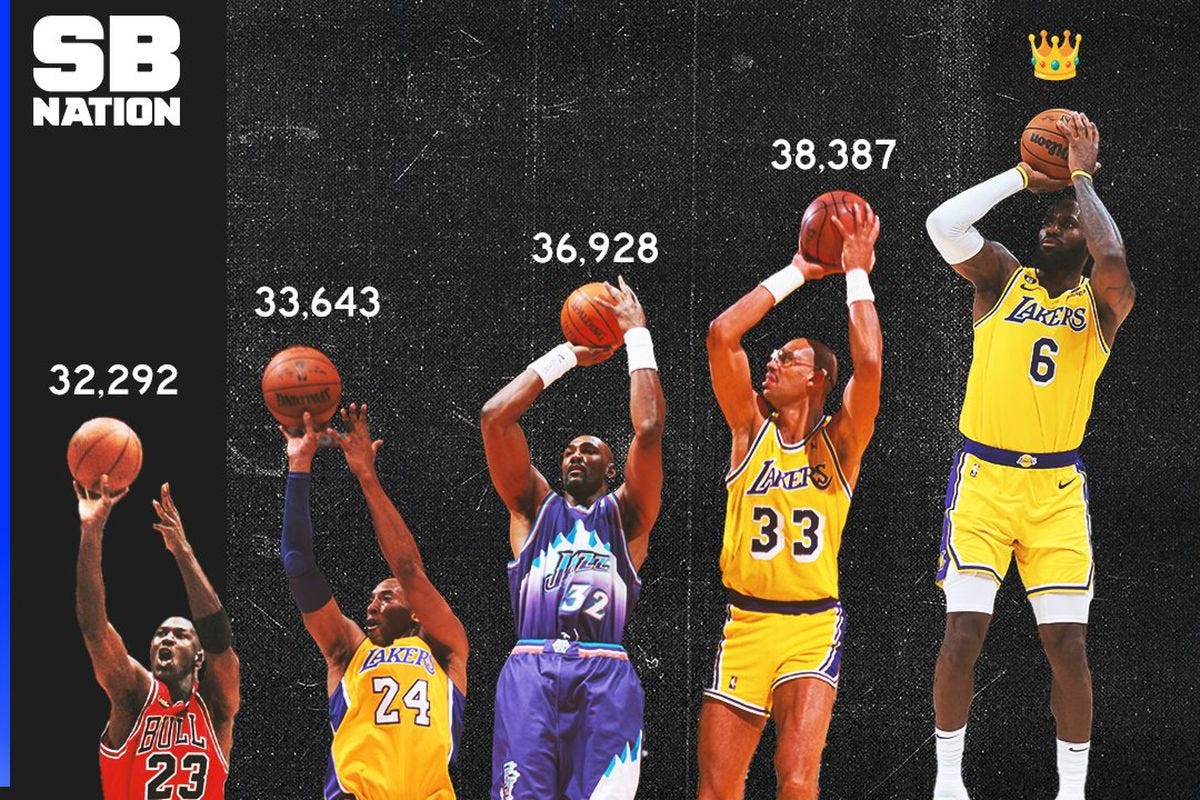
And what about the all-time leading scorer in NBA history, LeBron James?
Although he broke my heart last year by passing my childhood hero Kareem Abdul-Jabbar, he did it in a similar way.
LeBron has only led the league in scoring once in his 21 seasons. He didn’t get there with explosive, headline-grabbing years. He got there by quietly averaging 25+ points per game for nearly two decades.
The same pattern shows up in football. Tom Brady climbed to the top of the NFL’s all-time passing lists not by throwing for 6,000 yards in a season, but by stacking solid numbers year after year.
He played 23 seasons, posting 3,500+ yards in 18 of them and finishing as the all-time leader in both passing yards (89,214) and touchdowns (649).
Brady didn’t need record-breaking seasons to reach the top. He just kept showing up.
Stop Chasing Greatness
We love to romanticize the big moments. The viral post. The breakthrough year. The one great season that changes everything.
But how often does that actually happen?
Most of us won’t metaphorically hit 70 home runs in a year or average 40 points a game. And that’s okay.
The real question isn’t whether you can be extraordinary once. It’s whether you can show up often enough to let ordinary stack into something extraordinary.
Hank Aaron didn’t set out to break records. He just kept swinging. LeBron kept showing up. Brady kept throwing.
So stop waiting for your one big moment. Stop measuring your worth by peak performances. Build habits. Build systems. Keep showing up day after day, even when no one’s keeping score.
This is the philosophy I’m trying to live by: be consistently good, rather than occasionally great.
“You do not rise to the level of your goals. You fall to the level of your systems.” – James Clear
Consistency isn’t flashy. It isn’t glamorous. But it’s what separates highlight reels from the hall of famers of life.
Why I Think About the Roman Empire Every Day (yes TikTok, I do)
Think about it. Every choice you make is a line on the page of your story.
Not the dramatic ones. The small ones. The ones no one applauds.
The question isn’t whether you’ll write something worth reading someday. It’s whether you’re writing it right now, in the ordinary moments no one sees.
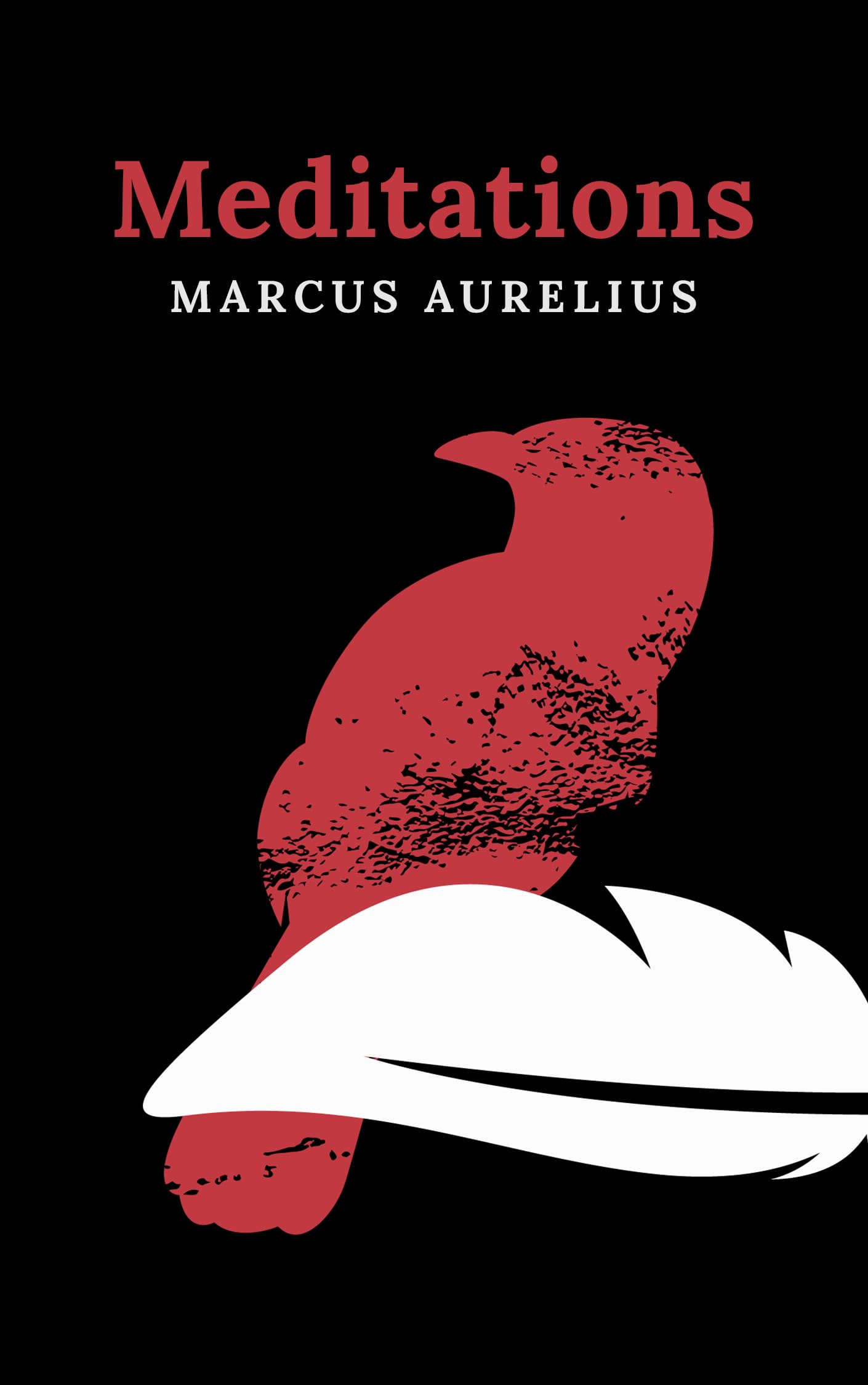
This is one of the reasons I’m drawn to Meditations by Marcus Aurelius.
The great Roman Emperor wasn’t trying to write an autobiography or a philosophical treatise. There’s no evidence he ever intended his words to be read by another soul.
The original Greek title wasn’t even Meditations. That came centuries later. It was Ta eis heauton, meaning “To Himself.” Most scholars agree these were private reflections and a form of self-examination.
That’s what makes the book so powerful. It’s raw and real.
I picture Marcus alone at night in a war camp. Afraid, unsure, but steady and consistent. He allowed himself to change his mind. Sometimes he even contradicts himself from page to page.
But he just kept showing up, writing his thoughts without judgment.
He found meaning not just in the battles he won, but in the ones that broke him (including, and perhaps more importantly, the ones that occurred off the battlefield).
You don’t need one great season. You need to keep showing up.
If I’m being real with myself, I still struggle with this. I want fully developed characters, a fleshed-out plot, and a tidy ending mapped out before I even pick up the pen.
But that’s not reality. It’s impossible to plan every scenario in a world of limitless outcomes.
I’m trying to change that. To write (and live) today’s page without dwelling on what came before or worrying about what comes next.
Just keep writing. Just keep living. Just be consistently good.